CES has never been about finished products.
But CES 2026 made something unusually clear: the real innovation gap today is not technological—it’s strategic.
Walking the show floor (and reading between the lines of what journalists are choosing to observe), one pattern stands out. Innovation is becoming harder to see, yet far more consequential to own.
For R&D and IP leaders, that distinction matters.
Innovation Is Moving From Objects to Systems
One of the most telling signals at CES 2026 isn’t a breakthrough gadget, but a quiet shift in how innovation is constructed.
Take recycling technologies aimed at consumers. Devices that compress or transform waste are not impressive because of their mechanics. Their value lies in orchestration—materials science, behavioral design, logistics integration, and lifecycle accountability working together.
This reflects a broader reality:
A single invention no longer defines innovation; instead, it is determined by how well multiple components interact under real-world constraints.
For R&D teams, this changes what “success” looks like. And for IP leaders, it fundamentally changes what is worth protecting.
Sustainability Innovation Has Entered Its Second Phase
The first phase of sustainability innovation focused on visibility—carbon metrics, green claims, and public commitments.
The second phase, now visible at CES 2026, is operational. Technologies are being designed to fit into existing behaviors, supply chains, and economic realities rather than forcing radical change.
This creates an uncomfortable truth for many organizations:
- Patents alone rarely capture the real value
- Competitive advantage increasingly lives in process know-how, data loops, and execution logic
In this environment, companies that rely on narrow patent filings while leaving operational intelligence exposed are strategically under-protected.
Mobility and AI: When Products Stop Being “Finished”
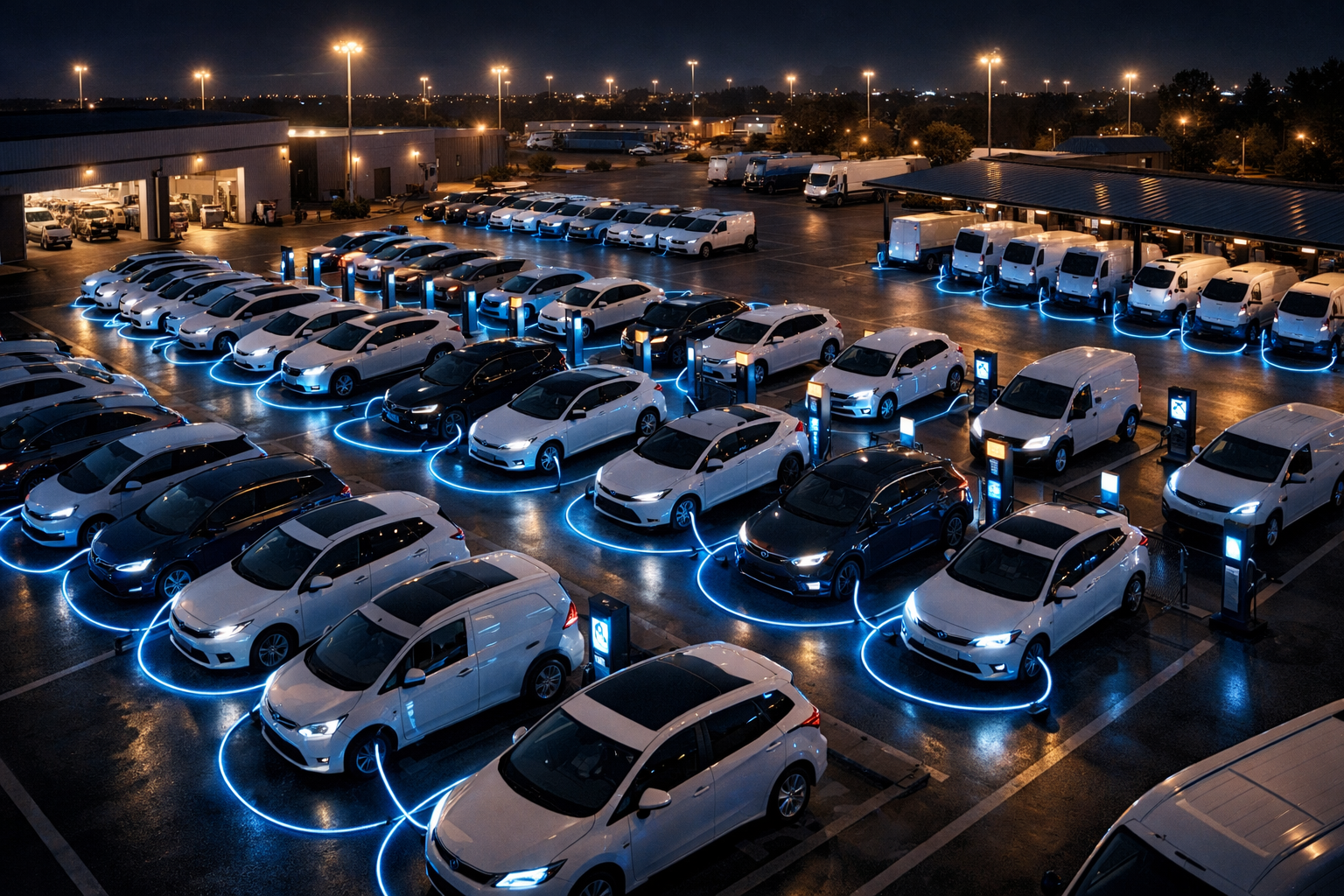
In automotive and mobility tech, CES 2026 reinforces a shift that R&D leaders already feel but may not yet govern properly: products no longer ship complete.
Software-defined vehicles, GenAI copilots, and autonomous systems continue to learn after deployment. The asset evolves in the field.
This raises questions that are rarely addressed early enough:
- Who owns the learning generated post-launch?
- How is IP managed when value is created through usage, not design?
- Where do third-party AI models end—and proprietary differentiation begin?
These are not legal questions alone. They are R&D governance questions, and they will separate scalable innovators from those accumulating technical debt disguised as progress.
The Quiet Maturation of “Physical AI”
CES has seen its share of AI gimmicks. What’s different now is what isn’t drawing attention.
AI embedded in PCs, wearables, robotics, and assistive devices no longer requires permission. It assumes permanence. And that maturity brings consequences.
In these systems, differentiation is no longer the model itself—but:
- Latency optimization
- On-device inference design
- Human-AI interaction under physical constraints
From an IP perspective, this is where defensible value returns—if organizations recognize it in time.
Accessibility as a Leading Indicator of Real Innovation
Some of the most strategically interesting technologies at CES 2026 sit under the label “accessibility.”
Historically treated as a niche, accessibility innovation increasingly becomes the foundation for mainstream performance, productivity, and safety solutions.
What’s striking is how often these innovations remain under-protected—not because they lack value, but because they emerge from interdisciplinary R&D that doesn’t fit traditional IP silos.
That’s a missed opportunity many companies won’t realize until competitors do.
The Strategic Signal CES 2026 Sends
Across sustainability, AI, mobility, and accessibility, CES 2026 delivers a consistent message:
Innovation is becoming less visible, more systemic, and more complex to isolate, and IP strategies built for isolated inventions are falling behind.
For organizations serious about long-term advantage, the question is no longer what technology to invest in, but:
- How is value actually created?
- Where defensibility truly lives?
- And whether R&D and IP strategies are evolving together—or drifting apart?
Those who understand this are already operating ahead of the curve.
Those who don’t may still look innovative—until they aren’t.
At Evalueserve IP and R&D, we spend less time chasing trends—and more time decoding what they mean for defensible, scalable innovation.
Talk to One of Our Experts
Get in touch today to find out about how Evalueserve can help you improve your processes, making you better, faster and more efficient.